

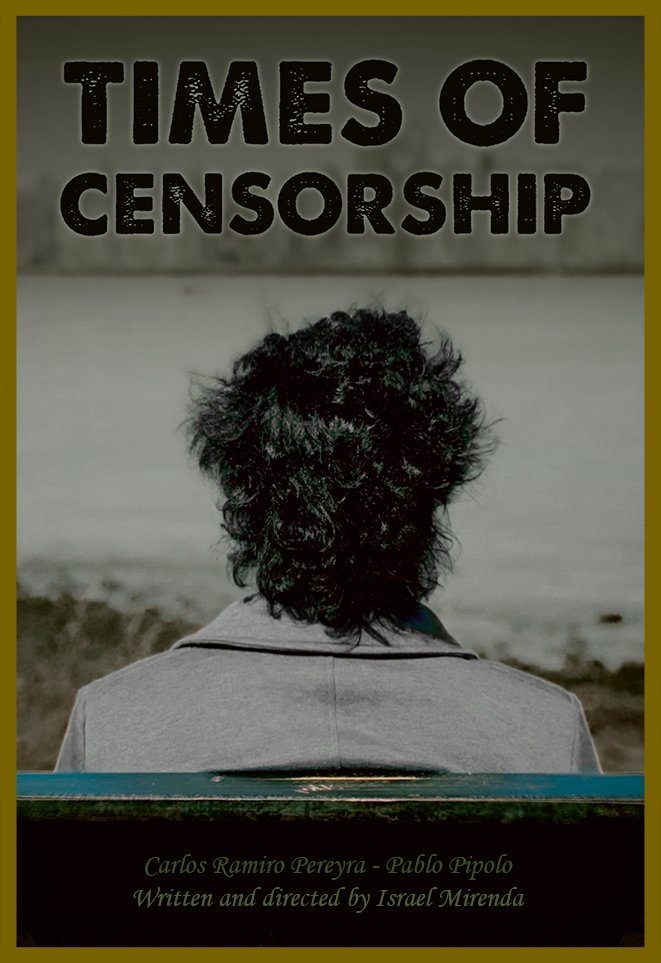
SYNOPSIS
During the pandemic, an acclaimed writer still has not delivered the manuscript he promised his publisher.
A representative of the publishing house meets him by the sea to reach an agreement and avoid legal action.
But each attempt at negotiation gives way to a sudden reflection on how the meanings of words have been twisted, until the conversation takes an unexpected turn.
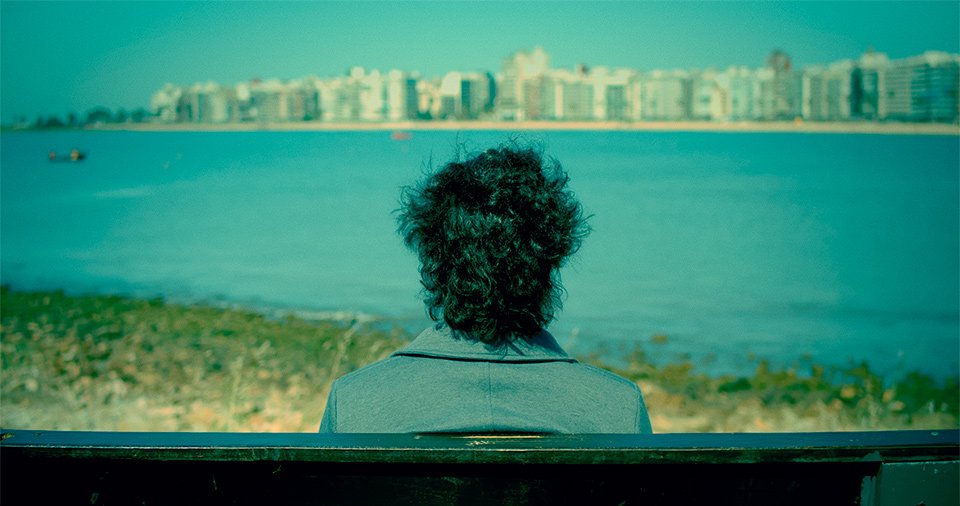
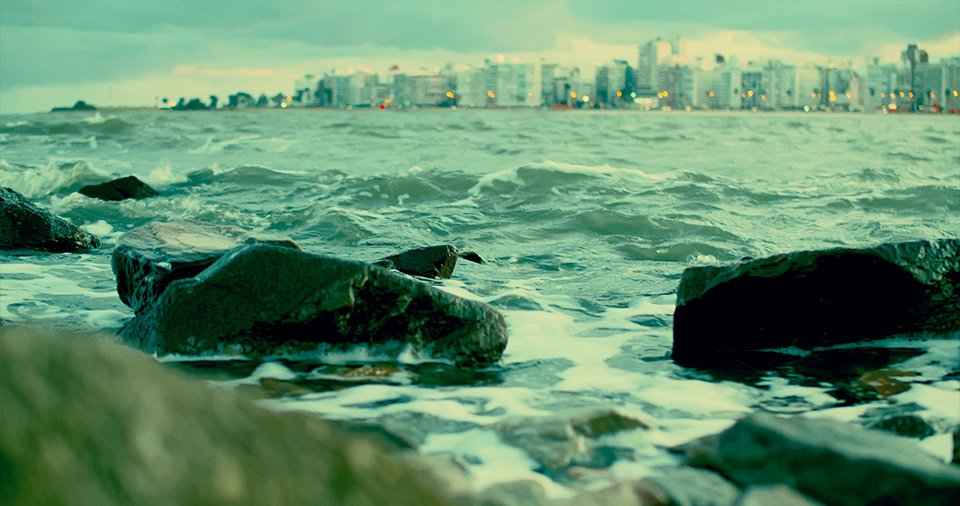
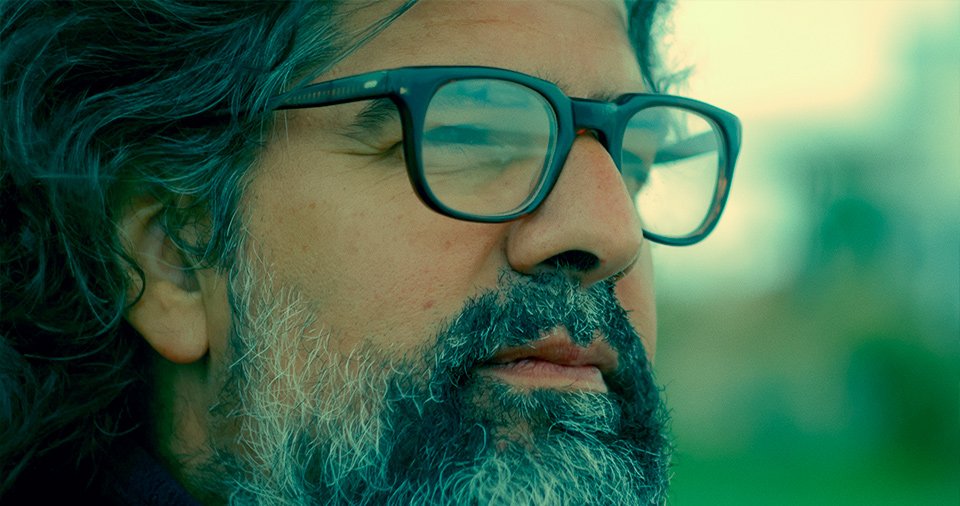
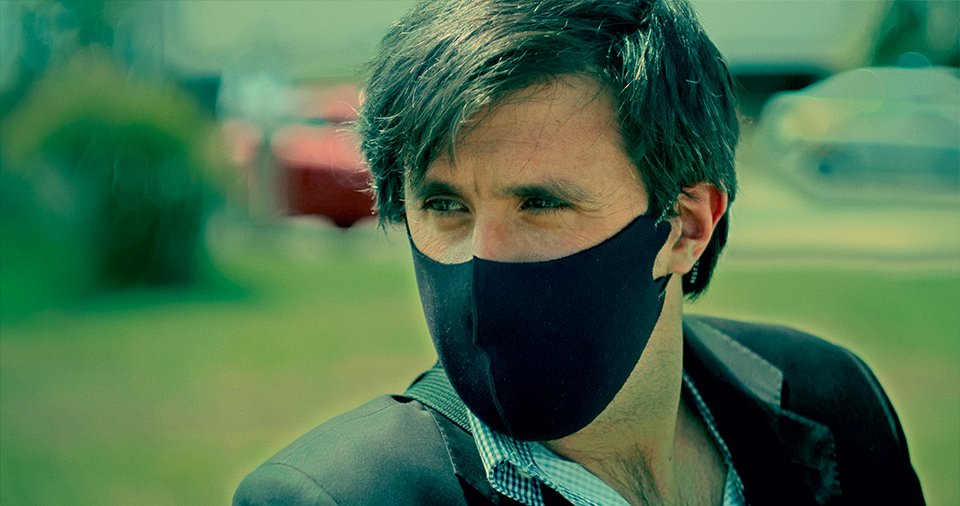
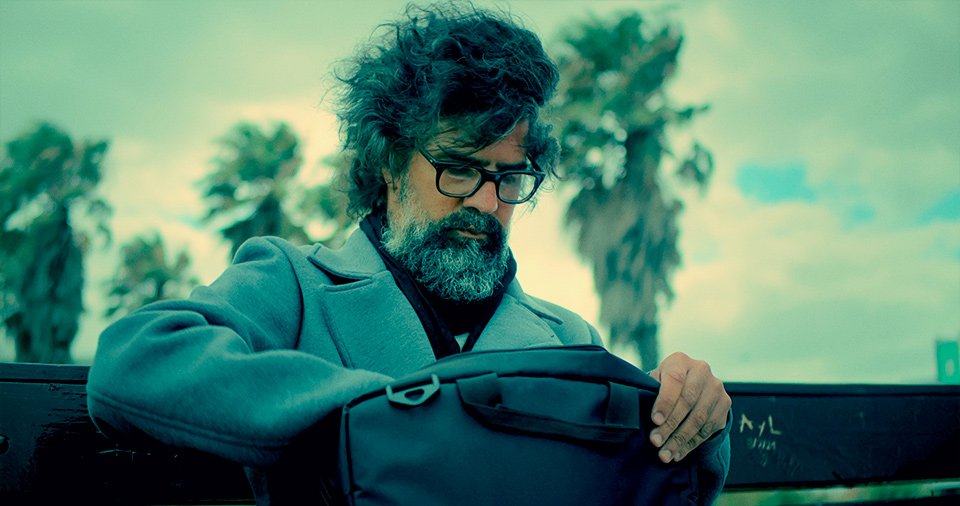
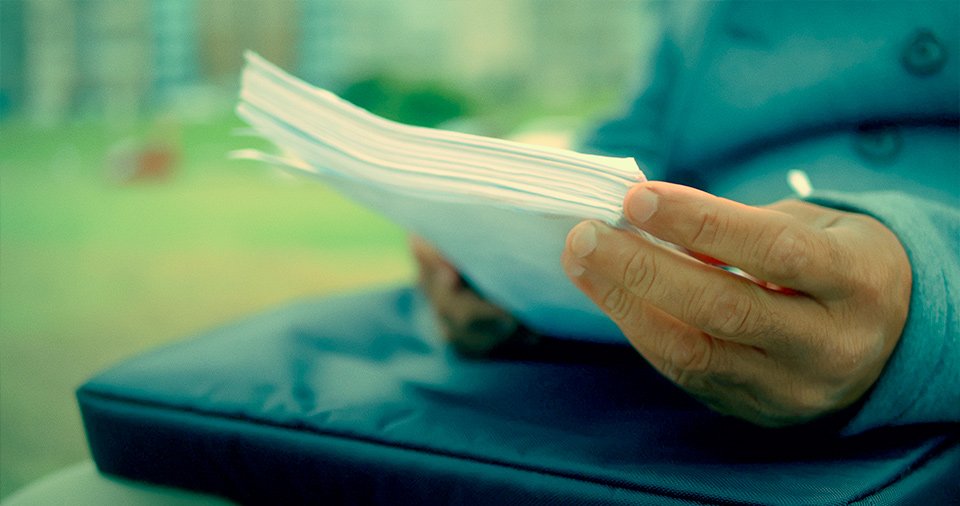
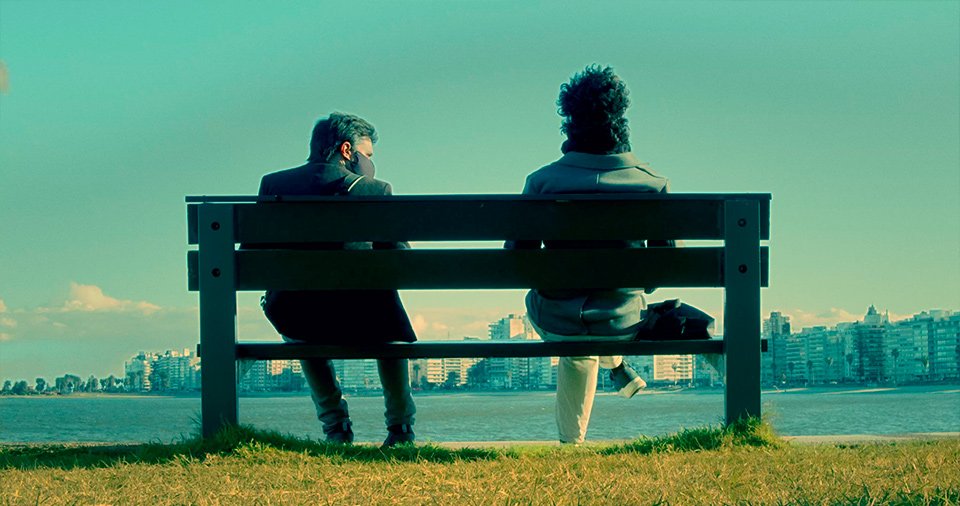
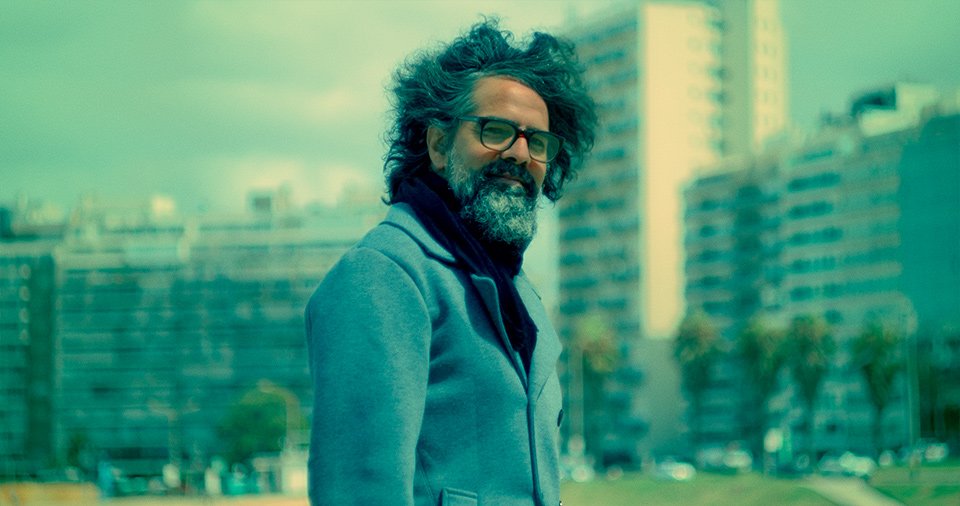
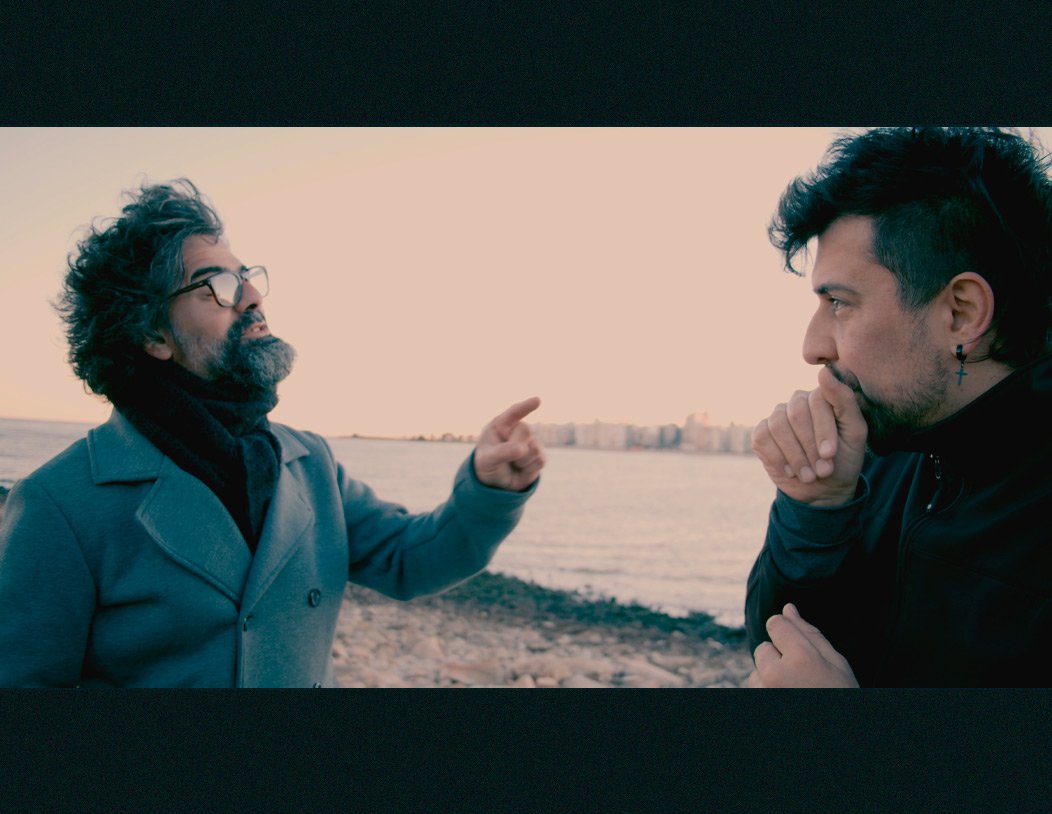
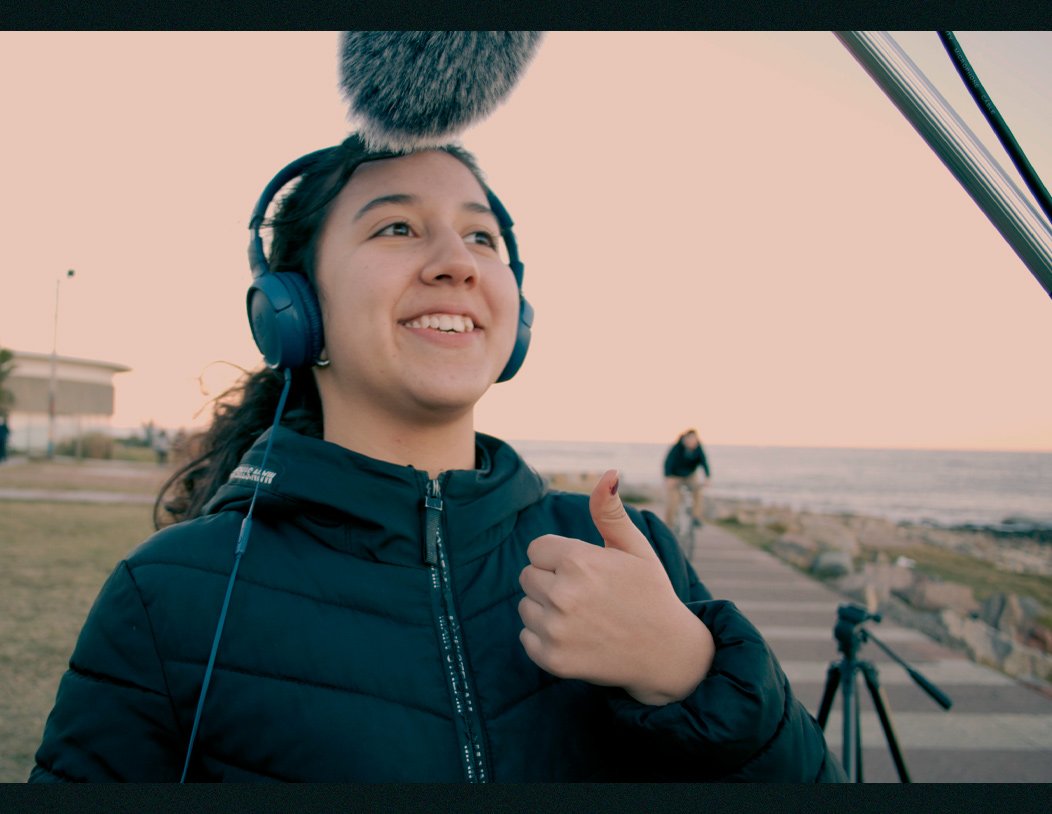
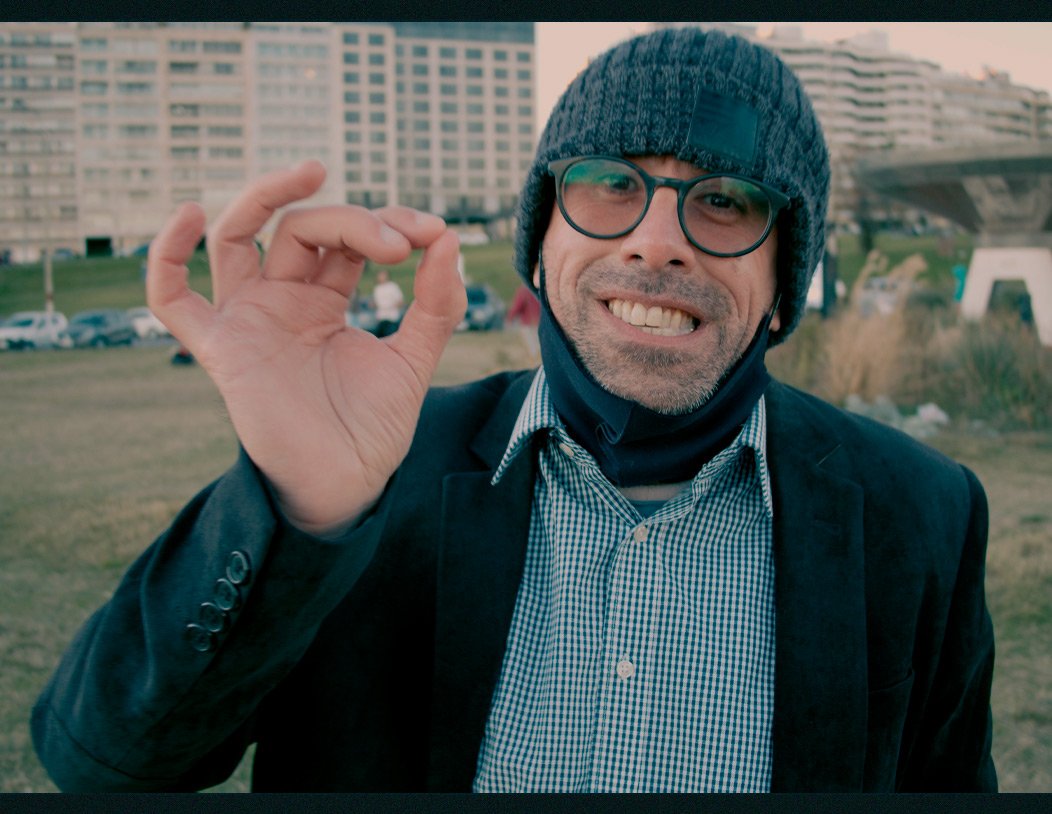
Stills from Times of Censorship.
A FILM IN TIMES OF CENSORSHIP
This short film is not driven by plot. There is action, but most of it unfolds through dialogue. Ultimately, Times of Censorship is a reflection born of a very specific historical moment: the pandemic.
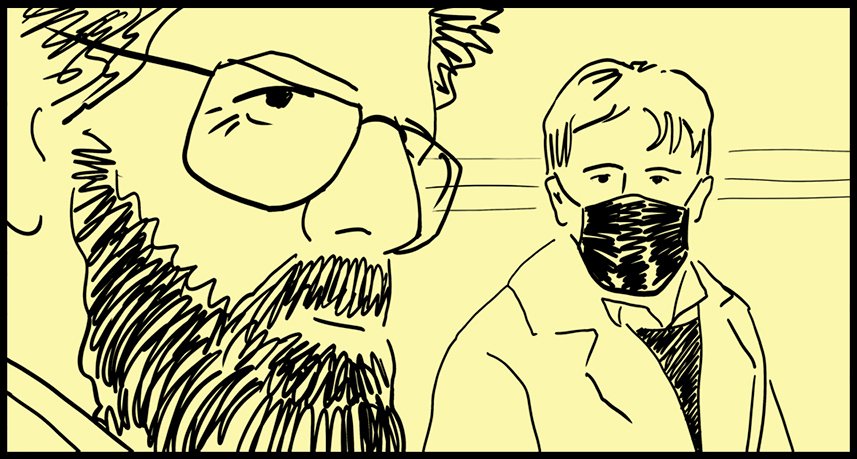
A writer meets a representative of his publisher outdoors without the required face mask. While the representative tries to negotiate, the writer insists on what he sees as a greater danger: the meanings of words being bent to serve a narrow set of narratives.
BEHIND TIMES OF CENSORSHIP
🧩 · FILM CREDITS
Written and directed by Israel Mirenda.
Starring Carlos Ramiro Pereyra and Pablo Pipolo.
Produced by Israel Mirenda.
VIEW FULL CREDITS
- TITLE: Times of Censorship
- ORIGINAL TITLE: Tiempos de Censura
- GENRE: Drama
- RUNNING TIME: 7 min 7 sec
- DIRECTOR: Israel Mirenda
- CAST: Carlos Ramiro Pereyra – Pablo Pipolo
- SCREENPLAY: Israel Mirenda
- PRODUCER: Israel Mirenda
- CINEMATOGRAPHY: Israel Mirenda
- SOUND: Ishaia Mirenda
- CAMERA: Israel Mirenda
- EDITING: Israel Mirenda
- COLOR GRADING: Israel Mirenda
- SOUND ASSISTANT: Ishaia Mirenda
- ORIGINAL MUSIC: Israel Mirenda
- POSTER: Israel Mirenda
- SPECIAL THANKS: Analía Castro – Ishaia Mirenda
- LANGUAGE: Spanish
- COUNTRY: Uruguay
- DATE: May 2022
🎬 · FROM THE DIRECTOR
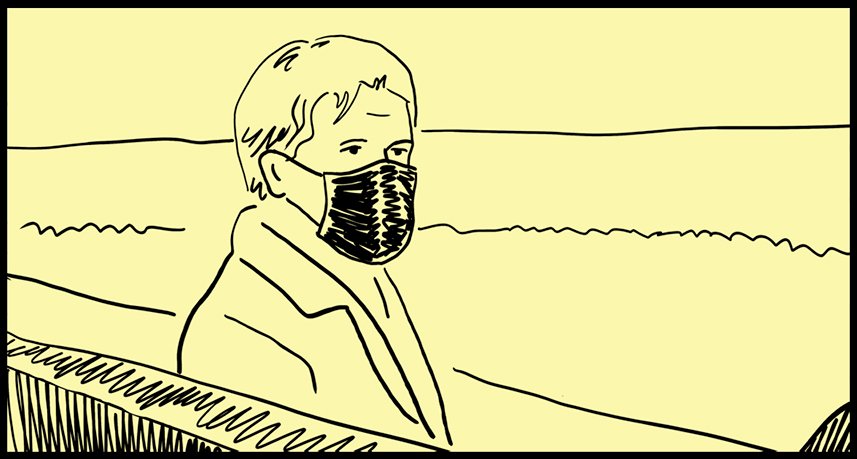
The starting point for this second short film was not a thesis on censorship, but a purely visual question: how could I stage an essentially simple situation in a compelling way? Two people talking, nothing more. So I went walking along Montevideo’s beautiful waterfront promenade (la rambla) until I found the perfect location: a bench facing the sea. That is how the idea was born; the screenplay came later.
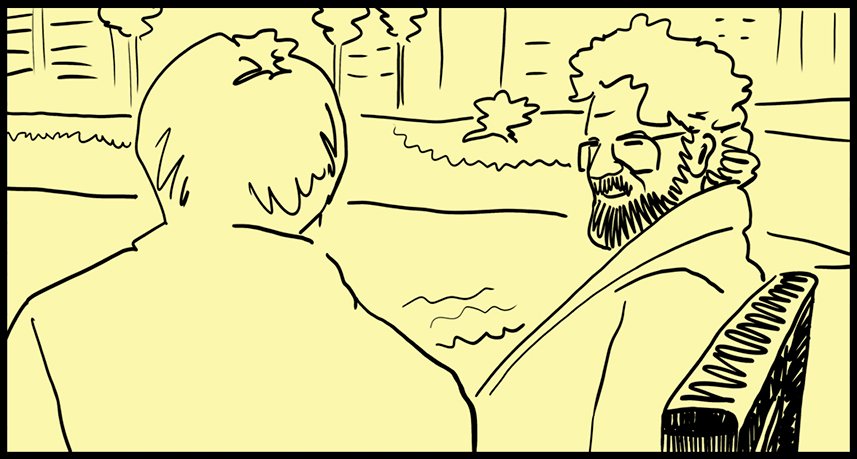
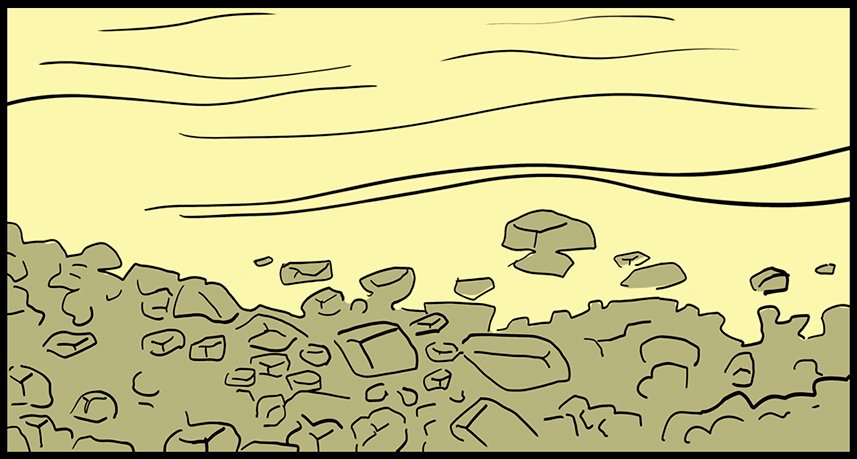
I wanted to begin behind the bench, setting the vastness of the horizon against the presence of a single character before revealing both characters. Then I wanted to cross the line of action gradually, move closer or farther away as the story demanded, open the frame to the sea, the birds, or any detail that might emerge, and later cross the line again. This time I wanted to do it with surgical precision, unlike my experience on One Minute. That is why I drew the storyboard.
The project’s first lesson, however, came not from directing or cinematography, but from a septic truck. It parked a few meters away, and the noise made it impossible to continue. We had to call off the shoot with very little footage filmed.
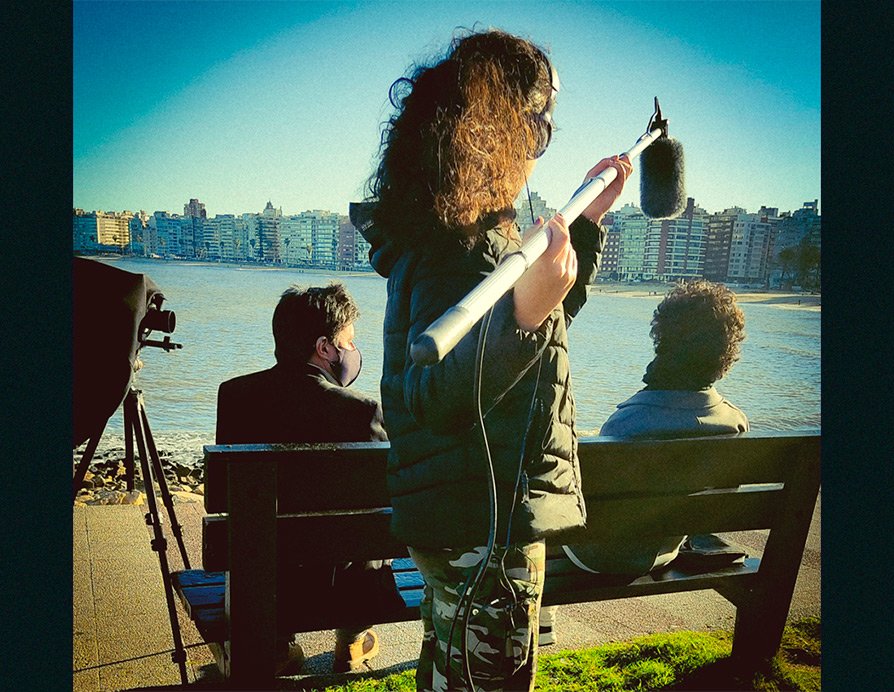
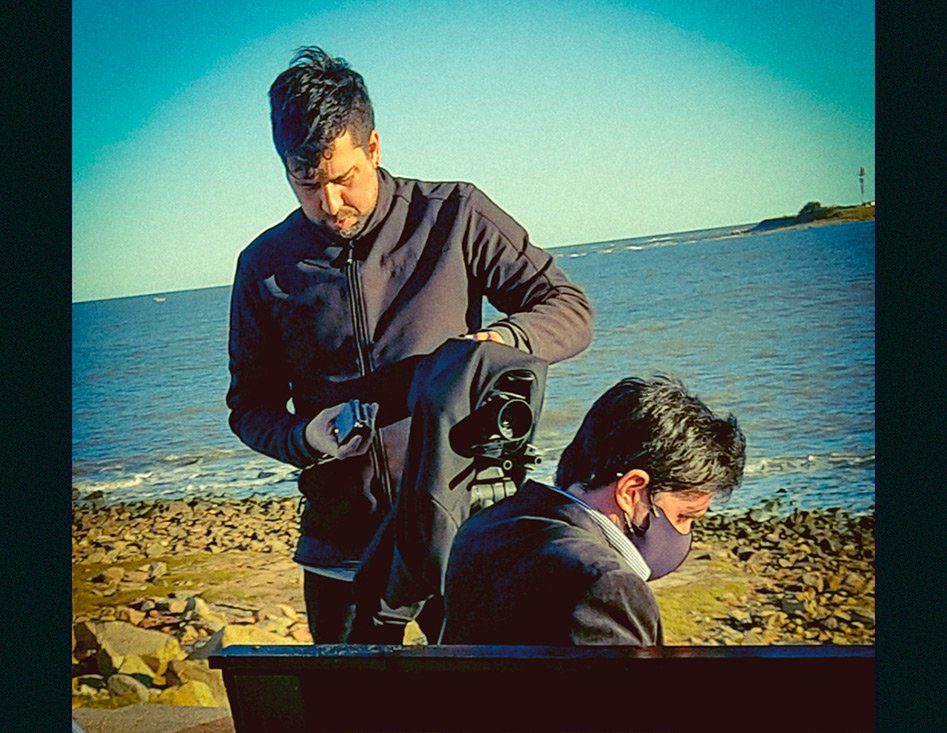
Some time later, in an almost mystical failure of timing, our schedules stopped aligning; that taught me a second lesson. I ended up filming each actor separately, on days with very different weather. For them, that meant delivering their lines to my daughter, who also lent a shoulder for the over-the-shoulder shots while handling sound. For me, it meant returning to a measure of improvisation and adapting to the resources at hand. And then came post-production: making footage from three separate shooting days match.
In short, I used fewer than half the shots I had imagined, but learned more than twice as much.
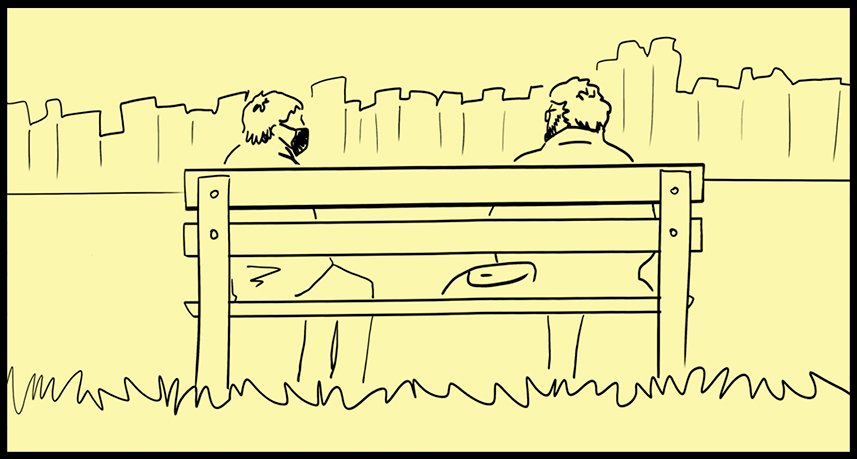
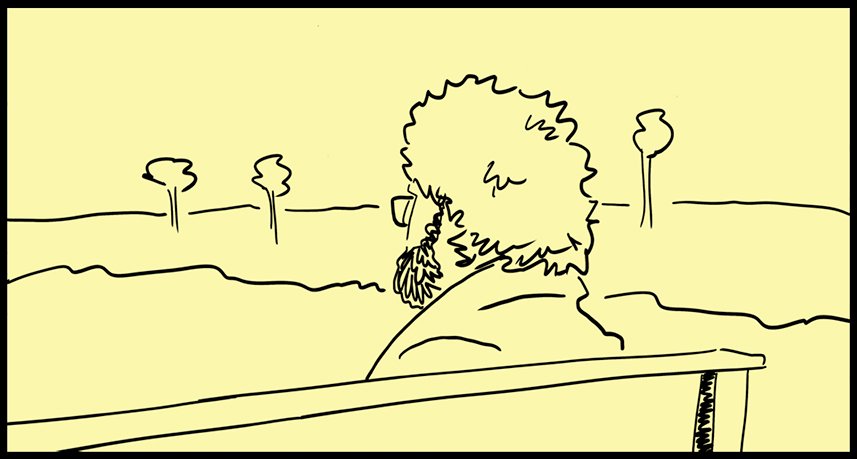
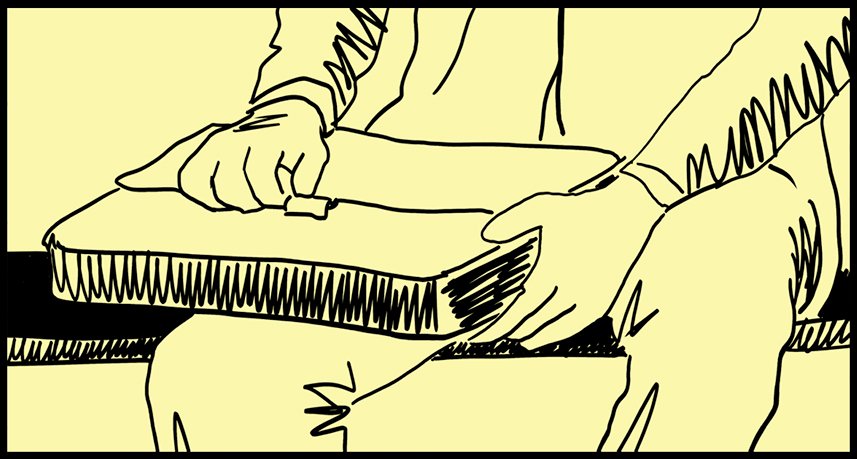
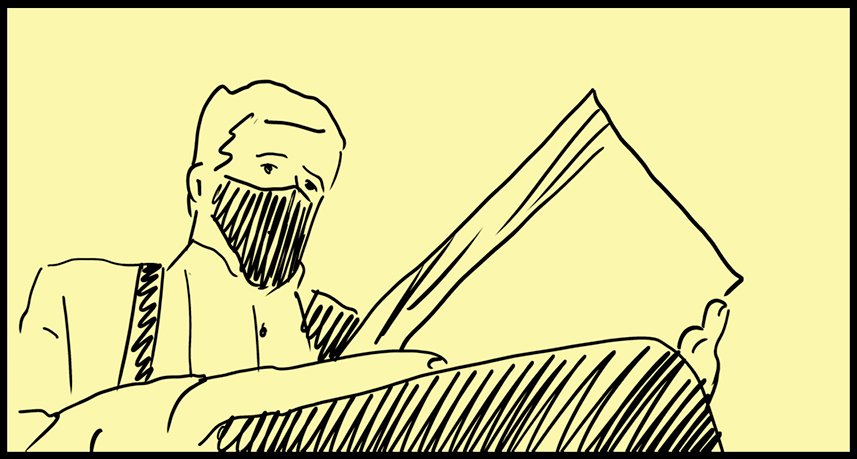
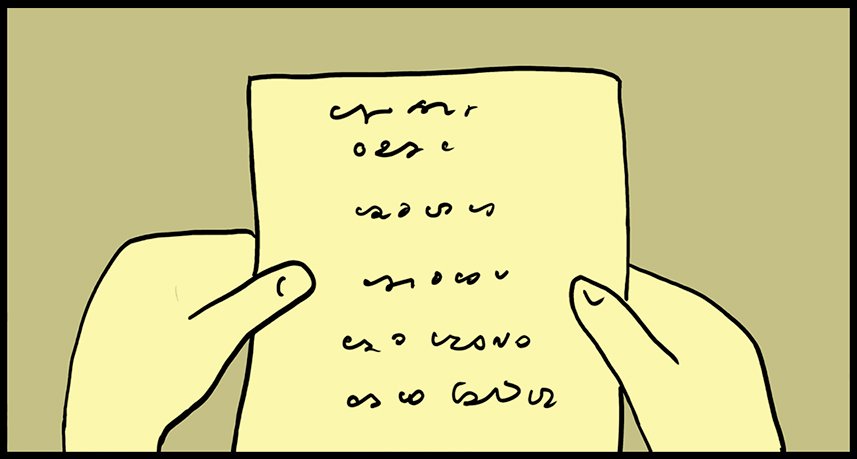
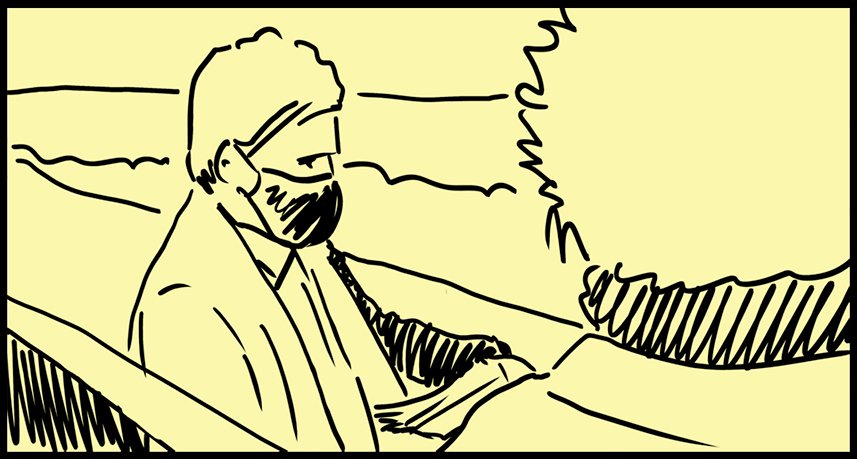
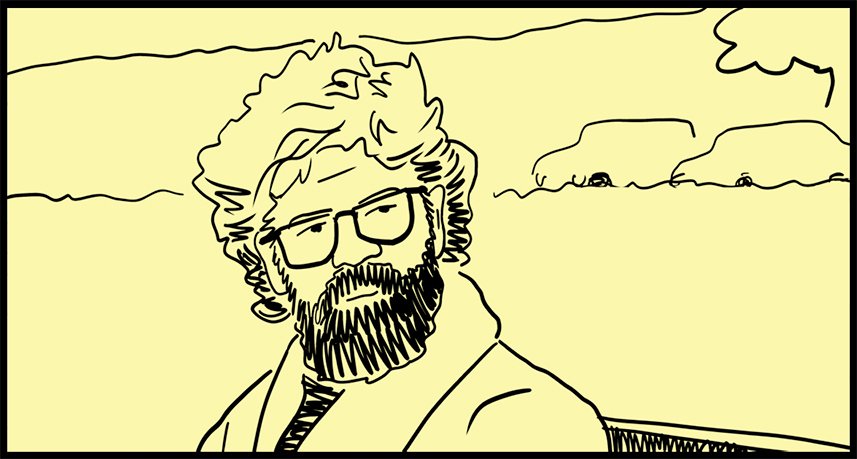
Storyboard for Times of Censorship.